

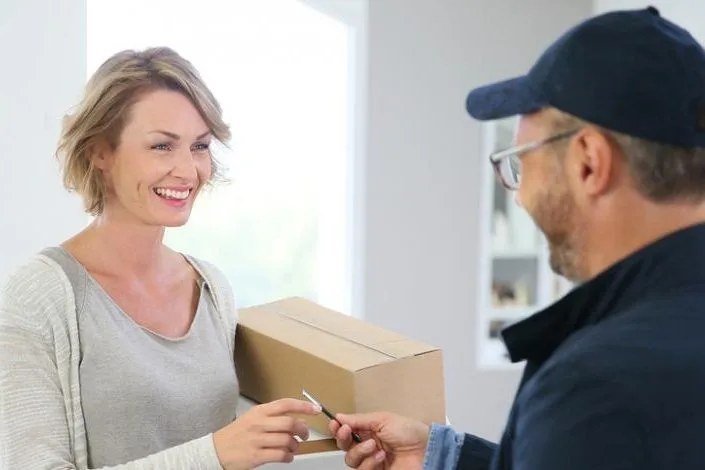
The modern retail ecosystem is defined by an ongoing race against time. For decades, the primary appeal of e-commerce was its sheer convenience and geographic accessibility. Consumers could browse vast digital catalogs from the comfort of their homes, completely bypassing the physical constraints of traditional brick-and-mortar storefronts. However, this early iteration of online commerce suffered from a fundamental drawback: the mandatory waiting period. The gap between purchasing an item and physically possessing it created a psychological friction point that traditional retail successfully exploited.
Today, that gap has effectively closed. The rapid scaling of urban fulfillment infrastructure, advanced algorithmic logistics, and shifting consumer expectations have driven the explosive rise of same-day delivery. What was once considered an expensive, luxury fulfillment option reserved for urgent corporate logistics or elite tier loyalty members has transformed into a baseline consumer expectation. As instant shopping gratification becomes the new normal, the traditional dividing lines between digital commerce and physical retail are evaporating, causing profound ripple effects across global supply chains, urban geography, and consumer psychology.
The Psychological Mechanics of Instant Gratification
The rapid adoption of hyper-fast delivery options is deeply rooted in human behavioral psychology. The human brain is naturally wired to favor immediate rewards over delayed benefits, a cognitive phenomenon known as hyperbolic discounting. In traditional retail environments, the act of selecting a product, paying for it, and immediately walking away with the physical item triggers an instantaneous release of dopamine, the neurotransmitter associated with pleasure and reward.
Historically, e-commerce disrupted this immediate loop. The delayed gratification inherent in standard shipping timeframes introduced a subtle form of cognitive friction, often leading to abandoned digital shopping carts. Same-day and instant delivery frameworks solve this problem by simulating the immediacy of physical shopping within a digital context.
When a consumer knows that a product ordered at nine in the morning will arrive on their doorstep by three in the afternoon, the psychological barrier to spending vanishes. The convenience of digital browsing merges seamlessly with the visceral satisfaction of rapid physical possession, altering consumer purchasing habits and making delayed delivery options seem increasingly obsolete.
The Architectural Backbone of Hyper-Local Logistics
Fulfilling a consumer order within a window of a few hours requires a complete structural overhaul of traditional supply chain architectures. Legacy e-commerce fulfillment relied on massive, centralized distribution centers located in rural areas where real estate was inexpensive. These mega-warehouses were optimized to process high volumes of freight and dispatch them through national courier networks, a process that inherently required several days of transit time.
Same-day delivery demands a hyper-local approach to inventory placement. To meet tight fulfillment timelines, retailers have established complex networks of localized distribution points within dense urban centers:
-
Dark Stores: These are dedicated micro-fulfillment centers designed specifically like miniature warehouses but situated directly within metropolitan neighborhoods. They are closed to the public and optimized exclusively for rapid order picking, packing, and courier dispatch.
-
Micro-Fulfillment Centers: Often integrated directly within the backrooms of existing, functional retail stores, these highly automated spaces use robotic sorting systems to retrieve products within minutes of a digital order placement.
-
Predictive Inventory Positioning: Retailers deploy sophisticated machine learning algorithms to analyze historical purchasing patterns down to specific neighborhoods. By forecasting what products consumers in a particular zip code are likely to buy over the coming days, companies can pre-position stock locally before a single order is officially placed.
The Gig Economy and Crowdsourced Fleet Orchestration
The final leg of the logistics journey, universally known as the last-mile delivery, represents the most complex and expensive component of the fulfillment cycle. Traditional shipping companies operating fixed daily routes with massive delivery trucks are structurally unsuited for the erratic, hyper-urgent demands of same-day shopping.
To overcome this operational bottleneck, modern fulfillment networks lean heavily on crowdsourced delivery fleets and gig economy infrastructure. By utilizing software platforms that coordinate independent drivers operating personal vehicles, retailers can instantly scale their delivery capacity upward or downward based on real-time order volumes.
Advanced route optimization engines calculate real-time traffic data, proximity variables, and package sizes to batch multiple orders into a single, hyper-efficient delivery run. This dynamic deployment ensures that localized couriers can navigate congested urban grids efficiently, completing deliveries within the strict multi-hour windows promised to the consumer.
Environmental and Urban Infrastructure Impacts
While the convenience of rapid fulfillment is highly attractive to consumers, the physical infrastructure required to support it introduces substantial environmental and municipal challenges. The traditional shipping model, where a single large delivery vehicle drops off hundreds of packages along a planned circuit, is highly consolidated. In contrast, same-day delivery frequently results in a fragmentation of delivery runs.
The pressure for immediate dispatch can lead to courier vehicles operating below maximum capacity, resulting in more individual delivery vehicles circulating through city centers. This phenomenon exacerbates urban traffic congestion, intensifies localized air quality issues, and strains city parking infrastructure as delivery drivers routinely occupy double-parking spaces to complete hand-offs.
In response to these negative externalities, the logistics industry is actively exploring alternative urban transport solutions. The deployment of electric cargo bikes, localized drop-off lockers, and autonomous delivery rovers is expanding rapidly in progressive metropolitan areas, as companies strive to reconcile the consumer demand for instant shopping with the physical realities of sustainable urban living.
The Structural Realignment of Retail Economics
The systemic shift toward same-day delivery is driving a deep structural realignment of corporate retail economics. Offering hyper-fast delivery introduces substantial operational costs, including the maintenance of expensive urban real estate, investments in automated picking technology, and higher per-package courier fees.
For retailers, absorbing these last-mile expenses completely can erode net profit margins down to unsustainable levels. To preserve profitability, companies utilize multi-faceted economic strategies. Many implement premium subscription tiers that unlock free fast delivery above a specific spending threshold, successfully driving up the average order value and fostering long-term brand ecosystem loyalty.
Others utilize dynamic fee structures, passing the premium cost directly onto the consumer when immediate delivery is requested during peak high-demand windows. Ultimately, the ability to execute same-day logistics efficiently has become a primary competitive differentiator, separating dominant retail giants from smaller enterprises that lack the capital required to build out hyper-local digital distribution channels.
Frequently Asked Questions
What constitutes the primary difference between next-day delivery and true same-day delivery?
Next-day delivery indicates that an order placed on one calendar day will be processed, dispatched, and delivered during the following business day, typically relying on overnight regional shipping networks. True same-day delivery requires that the entire transactional lifecycle—order placement, micro-fulfillment packing, and localized last-mile transit—occurs completely within the same calendar day, often within a precise window of two to six hours from the initial digital checkout.
How do retailers manage fragile or temperature-sensitive goods within same-day delivery systems?
To safeguard perishable or delicate products, micro-fulfillment networks utilize specialized thermal packaging solutions, insulated carrier inserts, and dedicated cold-chain tracking sensors. Additionally, crowdsourced fulfillment applications prioritize short-distance matching, ensuring that grocery items, floral arrangements, or pharmaceuticals spend minimal time in transit inside localized courier vehicles before reaching their final destination.
Does the integration of automated micro-fulfillment centers completely eliminate manual labor in warehouses?
No, automation changes the nature of the labor rather than eliminating it entirely. While robotic storage and retrieval systems handle the mechanical sorting and rapid transport of inventory bins to picking stations, human workers are still heavily utilized for the high-dexterity tasks of inspecting items, packing complex multi-item orders securely, and handling anomalies that automated algorithms are not yet sophisticated enough to resolve.
How do subscription loyalty models impact consumer spending behaviors regarding fast delivery?
Subscription models that package free same-day shipping into a recurring monthly or annual fee profoundly alter consumer behavior by eliminating the transactional pain point of delivery costs. Once a user has paid for the overarching subscription, they display a significant increase in purchasing frequency and lower brand switching behavior, routinely ordering lower-value, individual household items that they would have otherwise purchased at a local physical store.
Can small independent retailers successfully compete in the same-day delivery landscape against massive e-commerce giants?
Small retailers can remain competitive by leveraging third-party white-label delivery networks and localized delivery management software platforms. Instead of building independent distribution centers, small businesses can transform their existing physical brick-and-mortar storefronts into functional urban fulfillment nodes, utilizing local crowdsourced courier services to dispatch products directly to nearby community residents within hours.
What is the purpose of neighborhood parcel lockers in the same-day delivery ecosystem?
Neighborhood parcel lockers serve as high-efficiency consolidation points for urban logistics. Instead of a courier spending valuable time navigating secure apartment buildings or risking package theft by leaving items on exposed doorsteps, the driver can drop multiple orders into a single secure locker array. The consumer receives an automated digital access code, allowing them to retrieve their package at their own convenience while lowering the overall cost and time investment of the last-mile delivery run.
