

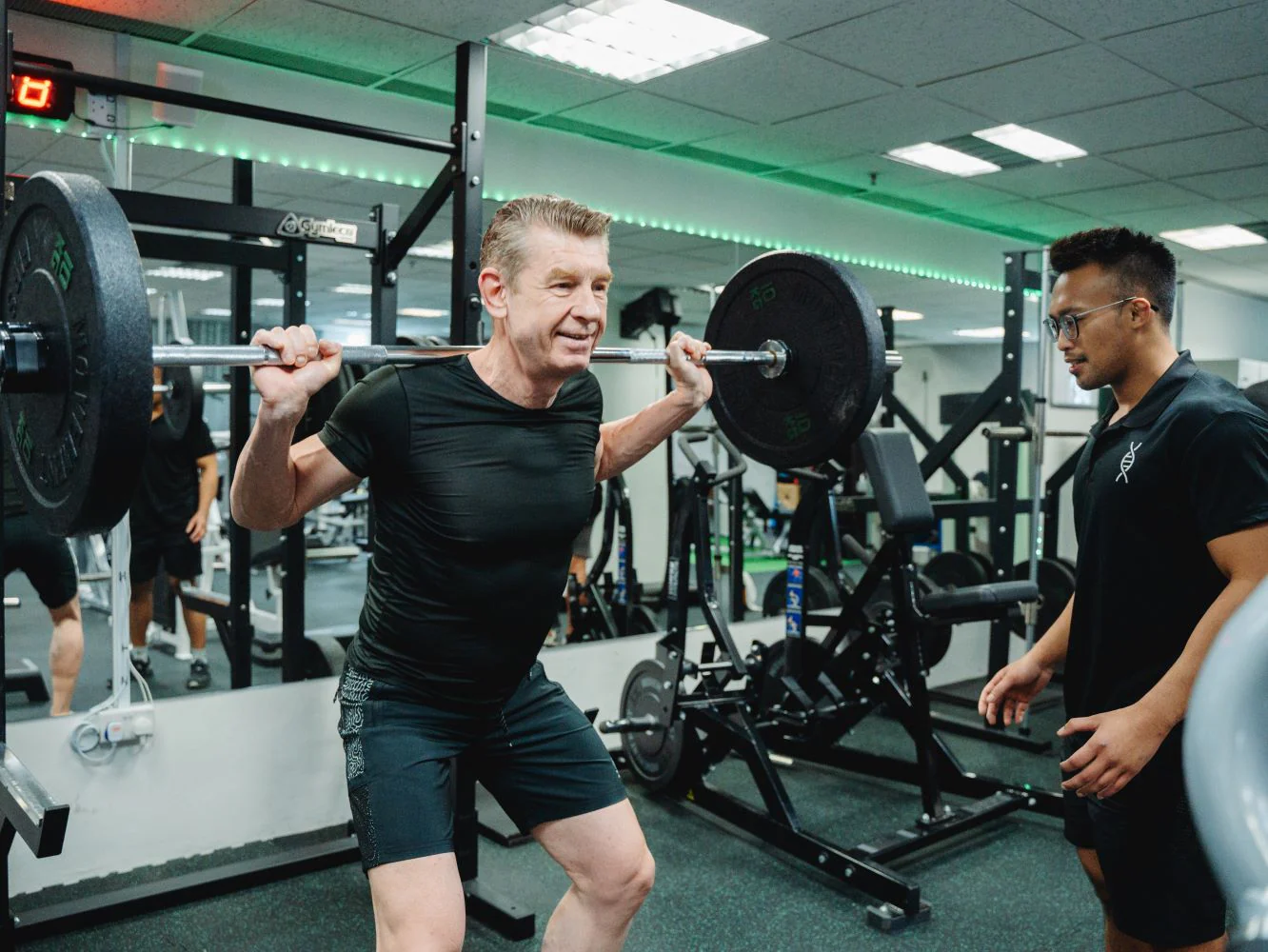
Staying strong and mobile between the ages of 40 and 60 requires a different strategy than what works for younger adults. Many Singaporeans in this age bracket juggle demanding careers, family responsibilities, and the beginnings of age-related changes in joints and metabolism. Training without a tailored approach often leads to knee pain, stiff shoulders, or lingering back aches. This is why a personal training gym Singapore is valuable, offering programmes designed to build strength and protect joints while keeping workouts sustainable for long-term health.
Strength training in midlife is not about chasing records. It is about staying independent, preventing injury, and ensuring quality of life well into the later decades.
Readiness Screening and Identifying Red Flags
Before beginning any new programme, trainers conduct readiness assessments. For clients in their 40s, 50s, or 60s, this is especially important. Assessments often include:
-
Joint mobility tests for hips, knees, and shoulders
-
Balance checks, such as single-leg standing time
-
Blood pressure and heart rate monitoring
-
Review of medical history, including previous surgeries or chronic pain
These steps prevent unnecessary risk. For example, someone with an old meniscus tear may avoid deep lunges but still train effectively with modified exercises. Trainers also use the screening to set realistic goals, such as climbing stairs comfortably, lifting groceries with ease, or improving posture at work.
Exercise Swaps for Sore Joints
One of the most practical aspects of joint-friendly training is modifying movement patterns without removing them entirely.
Knee-Friendly Alternatives
-
Instead of full barbell back squats: goblet squats with lighter weight
-
Instead of running: low-impact cardio like cycling or elliptical machines
-
Step-ups at controlled pace to strengthen quads without heavy load
Shoulder-Friendly Alternatives
-
Instead of overhead press with heavy dumbbells: landmine press with partial range
-
Instead of dips: cable pushdowns to target triceps with less stress on shoulder joints
-
Resistance bands for controlled pressing and pulling movements
These swaps keep training effective while reducing unnecessary strain. Trainers adjust sessions in real time based on feedback from clients.
Strength for Bone Density and Longevity
Muscle mass naturally declines with age, and so does bone density. The 40–60 bracket is a critical window to prevent osteoporosis later in life. Weight-bearing exercise is the most reliable method to preserve and even improve bone strength.
Key strategies include:
-
Compound lifts like deadlifts and squats with manageable weight
-
Weighted carries (farmer’s walks) to strengthen grip, core, and spine
-
Step-down drills to train controlled deceleration, reducing fall risk
These exercises not only protect against fractures but also maintain functional strength for daily life.
Balance and Fall-Proofing
Falls are a major concern as people age. Personal trainers in Singapore often integrate balance drills into programmes for clients in this age group.
Examples include:
-
Single-leg stance while brushing teeth at home
-
Lateral step walks with resistance bands
-
Stability ball exercises to challenge coordination
By practising balance in controlled environments, clients gain the reflexes to avoid falls in real-world settings such as crossing MRT platforms or climbing HDB stairs.
Sleep, Stress, and Recovery Habits
Midlife often comes with high stress from work and family. Stress directly affects recovery, leading to persistent soreness if not managed. Trainers encourage clients to focus on recovery pillars:
-
Sleep: Aim for at least 7 hours nightly for muscle repair
-
Nutrition: Prioritise lean protein, calcium-rich foods, and hydration
-
Active recovery: Walking, yoga, or stretching on non-training days
-
Mind-body routines: Breathing drills or meditation to manage stress
Without these recovery habits, even the best training plan produces limited results.
Example Weekly Joint-Friendly Training Plan
A structured weekly plan designed for 40–60 year-olds might look like this:
-
Monday: Strength session (squats, push ups, rows, core planks)
-
Tuesday: Low-impact cardio (cycling, elliptical, or swimming)
-
Wednesday: Mobility and flexibility session (yoga-inspired movements)
-
Thursday: Strength session (deadlifts, presses, step-ups)
-
Friday: Balance and stability training, light conditioning circuits
-
Weekend: Brisk walk, family activity, or recovery day
The plan keeps sessions short and manageable, while addressing every component of long-term health.
The Role of TFX Singapore
At TFX Singapore, trainers create joint-friendly programmes for midlife adults, focusing on safe progressions and individual needs. Rather than forcing high-impact routines, they adapt workouts to each client’s health profile and goals. This approach helps Singaporeans between 40 and 60 stay strong, confident, and mobile without fear of injury.
FAQ
Q. My knees click when I squat, is that a problem?
Ans. Clicking without pain is usually harmless. If pain accompanies the sound, modifications such as box squats or reduced depth are better. Trainers ensure form is correct before progressing.
Q. How heavy should I lift at this age?
Ans. The focus should be on controlled, moderate weights that challenge muscles without causing strain. Trainers often use a rating system where exercises feel tough but still allow proper form.
Q. Can I start strength training if I have never exercised before?
Ans. Yes, starting in your 40s or 50s is still highly beneficial. Trainers scale movements to your ability and gradually increase intensity.
Q. Is stretching enough to stay flexible and pain-free?
Ans. Stretching helps, but joint health also depends on strength. Strong muscles support and stabilise joints, reducing the chance of pain or injury.
Q. How many sessions per week are recommended?
Ans. Two to three guided sessions at a personal training gym, paired with light daily activity such as walking, provides noticeable benefits without overloading recovery.
